The building above the stage
Setas de Sevilla: the building
What the Setas de Sevilla, or Metropol Parasol, is: who designed it, what it is made of, what lies beneath it and where the flamenco tablao sits.
Book flamenco under Las Setas ↗Quick answer
The Setas de Sevilla, first named the Metropol Parasol, is a large, mostly wooden structure on La Encarnación square in Seville's old quarter. German architect Jürgen Mayer designed it, and it was completed in April 2011. Six parasols loosely resemble mushrooms. Underground is a Roman and Moorish museum, at street level a market, and above are terraces. The flamenco tablao stands on the ground floor, at the level of the square.
Two names, one structure
During development the project was called Metropol Parasol, and locals quickly nicknamed it las setas, the mushrooms. Wikipedia says Seville adopted the name Setas de Sevilla after learning that the architect had trademarked Metropol Parasol and would charge for its use, and that Setas de Sevilla has been the name in use since the opening. Both names are still in use.
How it was designed
The design was selected from 65 submissions in a city-sponsored competition, according to Wikipedia, and came from the German architect Jürgen Mayer. The structure is roughly 150 by 70 metres across and about 26 metres high, built mainly from micro-laminated Finnish pine and billed as the largest wooden structure anywhere. Its six parasols were inspired by the vaults of Seville Cathedral and by the ficus trees in the nearby Plaza de Cristo de Burgos, which explains the branching columns.
The four levels
Wikipedia lists four levels. Level 0, below ground, is the Antiquarium, a museum for the Roman and Moorish remains uncovered here. Level 1, at street level, is the central market. The roof of that level is an open-air public plaza, shaded by the parasols and designed for events. Levels 2 and 3 are the two stages of the panoramic terraces, which include a restaurant and look over the city centre. The flamenco tablao is on the ground floor, at the level of the square.
What stood here before
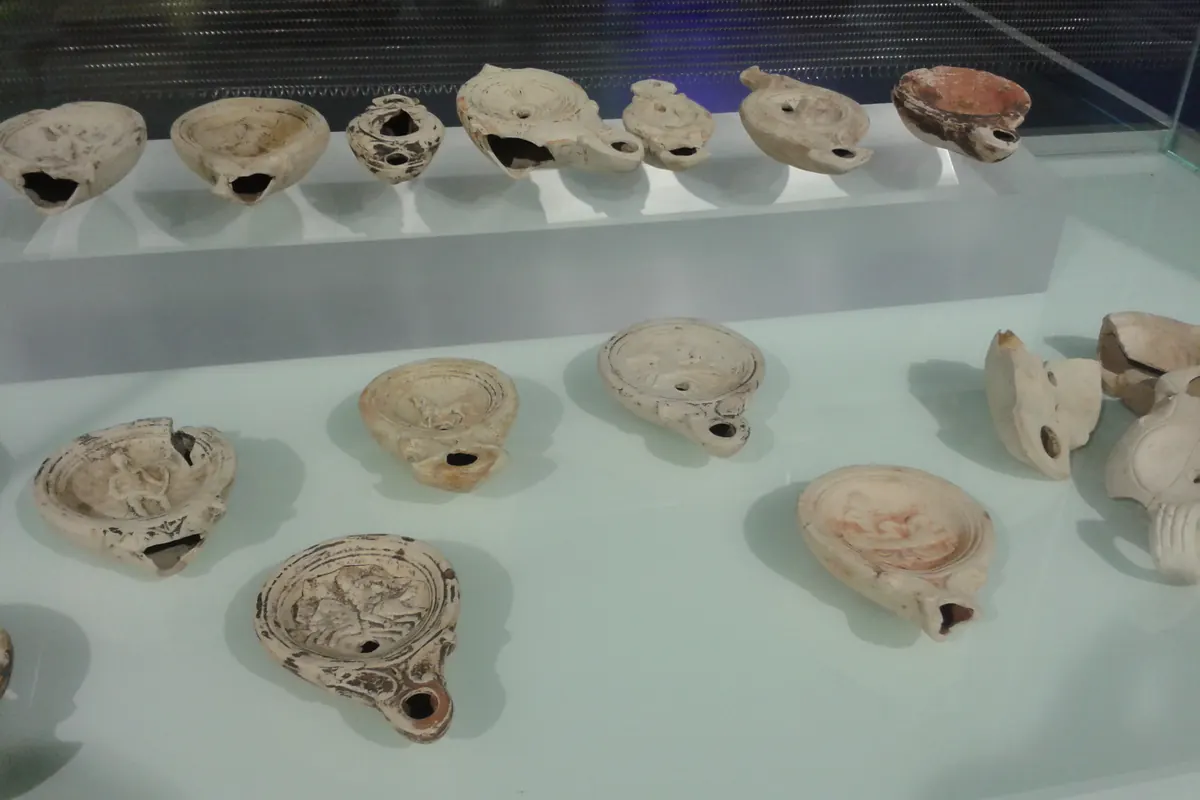
A dedicated market building stood in the plaza from the 19th century, Wikipedia says; it was partly demolished in 1948, and the remainder was finally pulled down in 1973. The land stayed empty until 1990, when the city planned a market with underground parking. Builders then found ruins from the Roman and Al-Andalus periods, and work stopped. In 2004 the city opened an international competition to redevelop the area. The Antiquarium is the result of that discovery.
A troubled build
The project was initially beset by technical problems as well as budget and schedule overruns, Wikipedia records. Construction began in June 2005 against an estimate of completion in June 2007. By May 2007 the engineering firm Arup told the city that the structure was technically unfeasible as designed, and a glued reinforcement solution was developed by early 2009. None of that is visible today, but it is the background to a completion date of April 2011 and not June 2007.
A meeting place in the modern centre
The Setas visitor attraction presents the structure as a gathering place in the modern heart of Seville, and sells a visit that combines a 360-degree viewpoint, a film called Feeling Sevilla and a light show called Aurora. The visit is a ticketed product of its own, with opening hours that change, so read them on the attraction's site. For a flamenco evening it is enough to know that the tablao is part of the building and not part of that visit.
Where the tablao fits
The tablao occupies the ground floor under the parasols and calls itself a modern singing café, a contemporary space with artistic lighting. Its entrance is at the level of the square, beside the Mercado de la Encarnación, and the venue warns visitors not to climb the stairs up the structure. Visiting the viewpoint on top is a separate matter: the Setas visitor attraction sells that as its own ticket, and the flamenco ticket in this guide does not include it.
Read next: Getting to the Las Setas tablao
Frequently asked questions
Who designed the Metropol Parasol?
The German architect Jürgen Mayer. It was chosen from 65 submissions in a city competition and completed in April 2011.
Why is it called Las Setas?
Locals nicknamed the project the mushrooms, las setas, because its six parasols resemble mushrooms. Its formal name is Setas de Sevilla.
Is the viewpoint included in the flamenco ticket?
No. The flamenco ticket covers the show only. The Setas visitor attraction sells the viewpoint separately.
What is underneath the structure?
The Antiquarium, a below-ground museum for Roman and Moorish finds from the site.
Sources